Fibre Optic Services
Reliable fibre solutions built for performance and longevity. We install and terminate fibre for residential, commercial and telecommunications infrastructure, and locate faults using OTDR testing.
- Registered cablers
- 10+ years' experience
- South East Queensland coverage
- Free, no-obligation quotes
We cover the whole of South East Queensland, with most work across our Brisbane service area and data cabling on the Gold Coast.
Recent CoreComms Projects
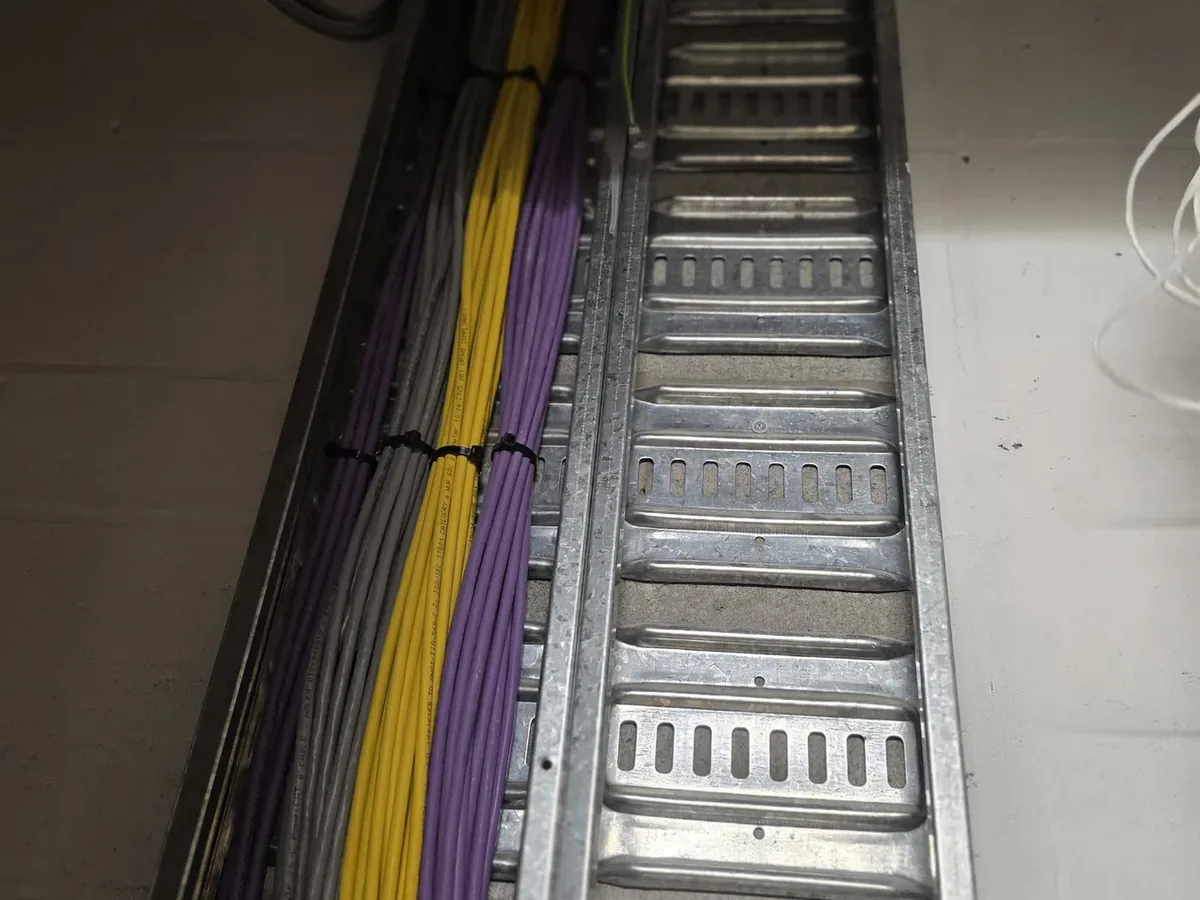
These photographs show genuine telecommunications and network installations completed by CoreComms. Customer details and site identifiers are never shown.
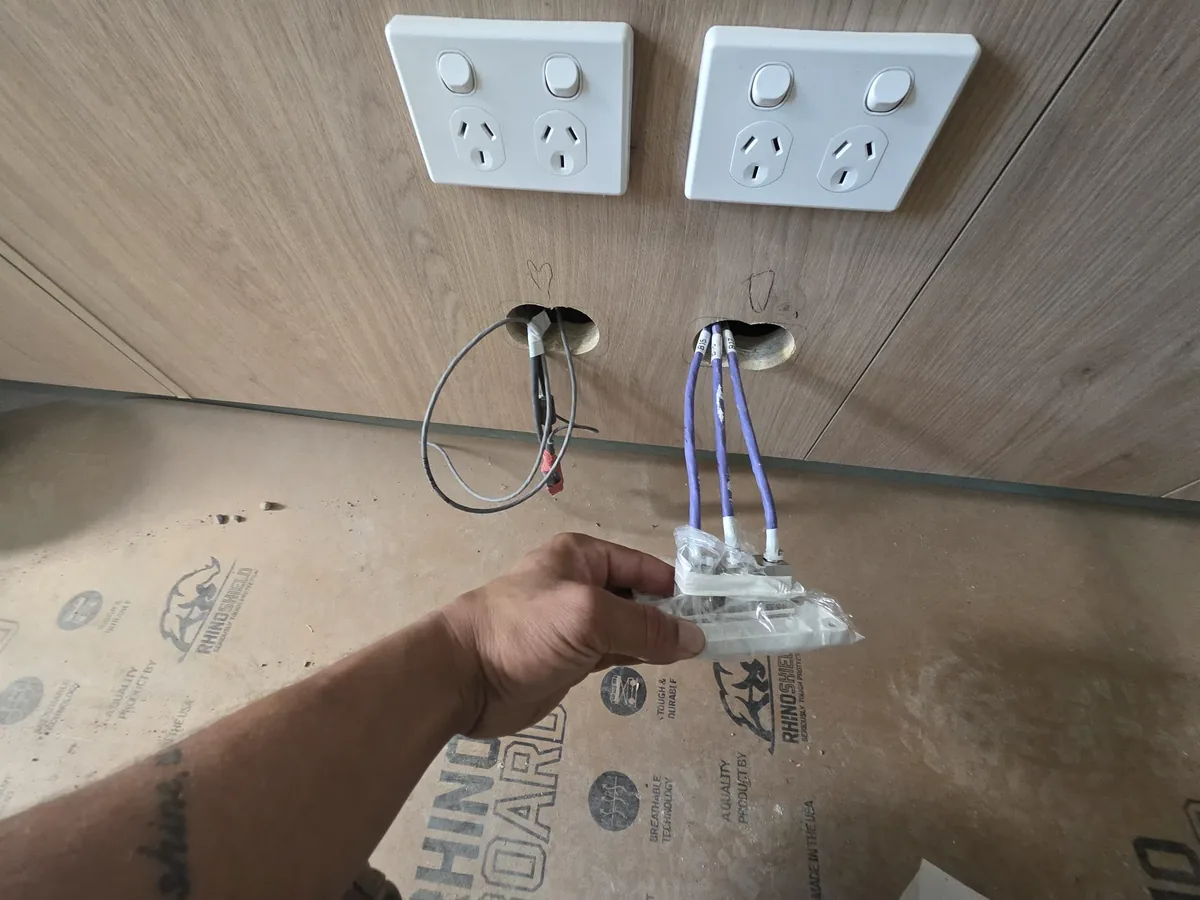
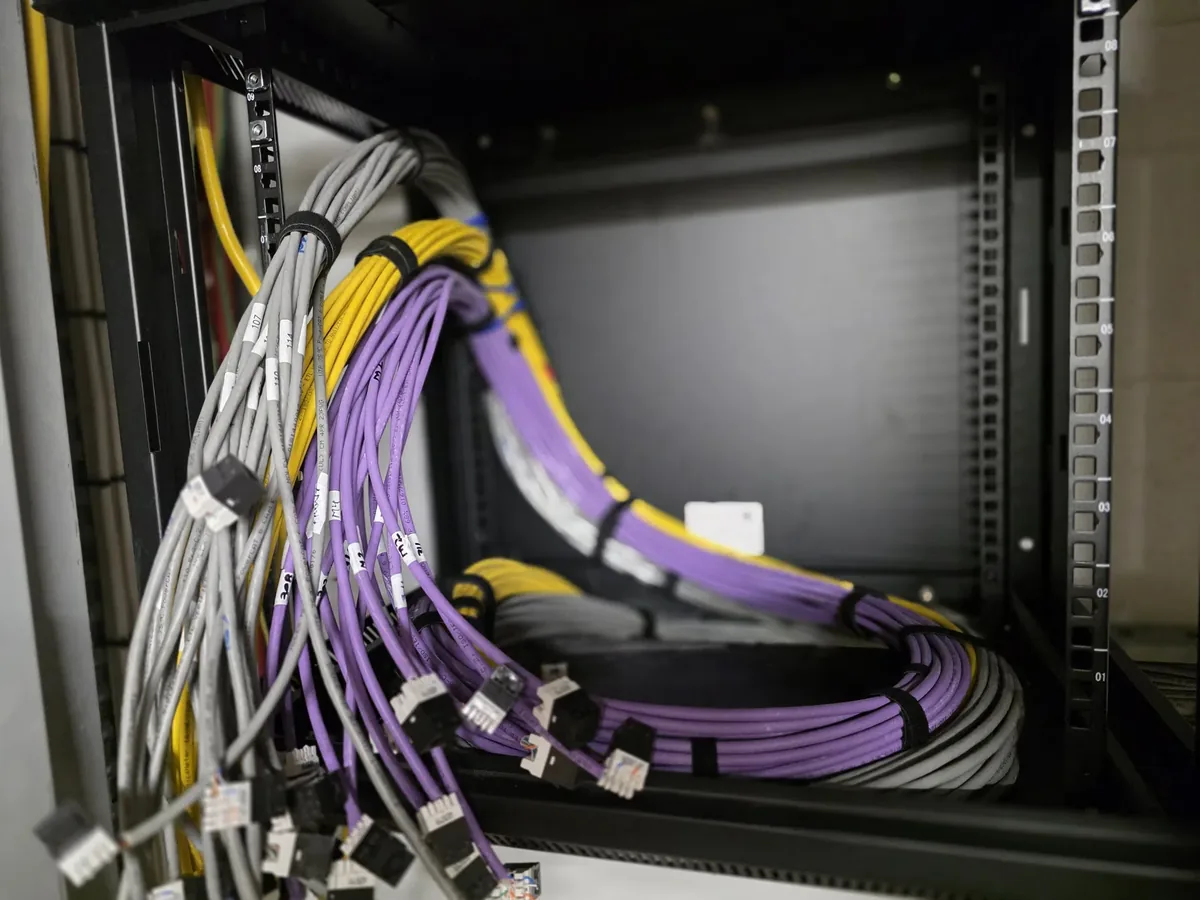 Network infrastructure
Network rack and patching installation — commercial premises
Small business networking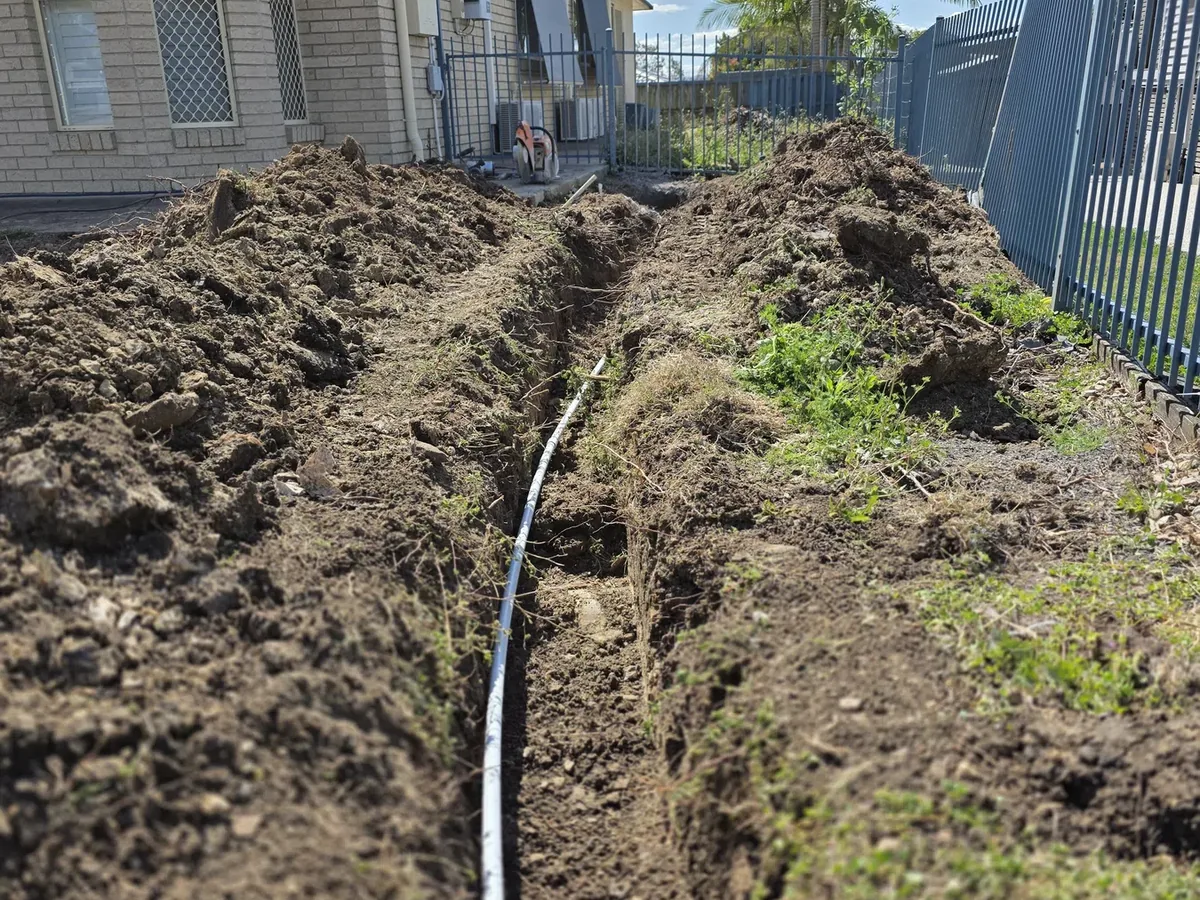 Underground conduit
Underground telecommunications conduit installation
Underground trenching and conduit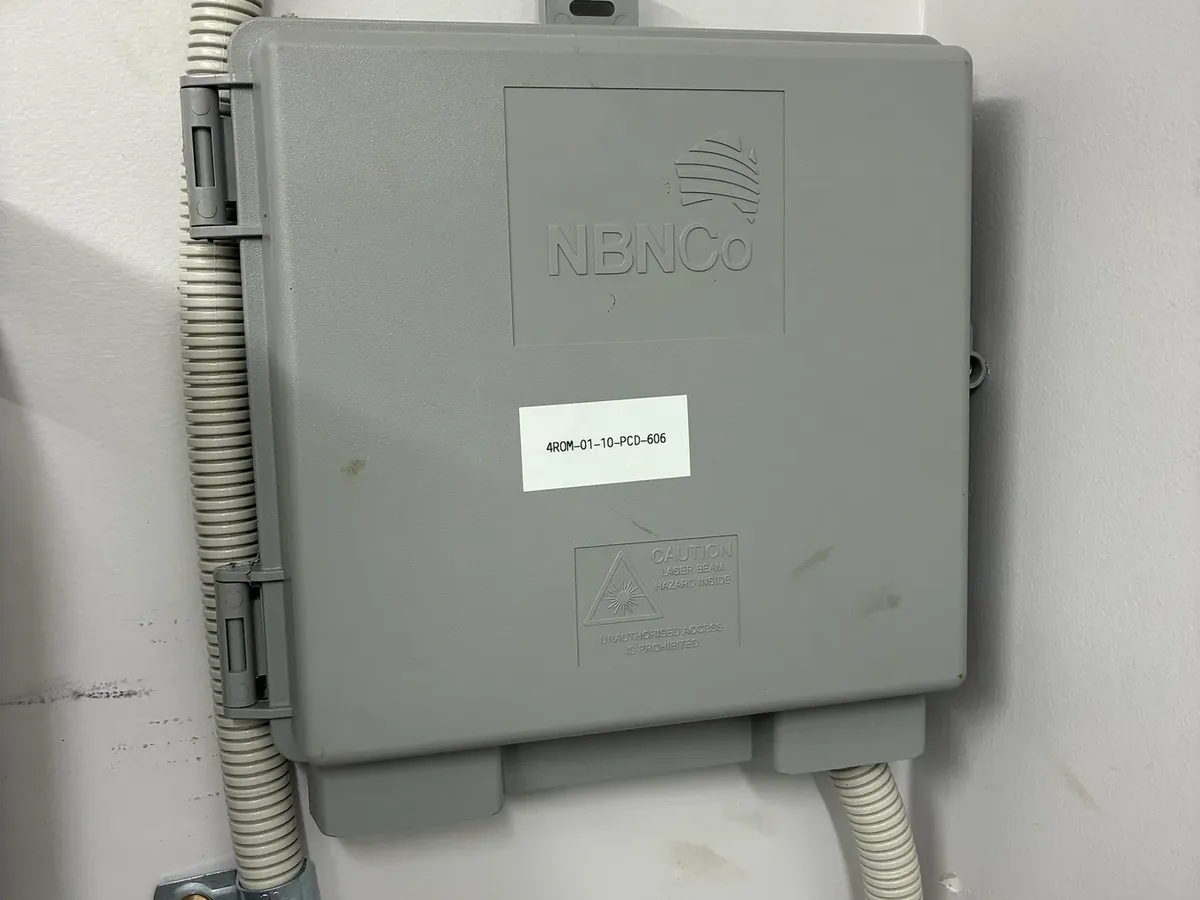 NBN relocation
NBN internal cabling and relocation work — South East Queensland
NBN relocation services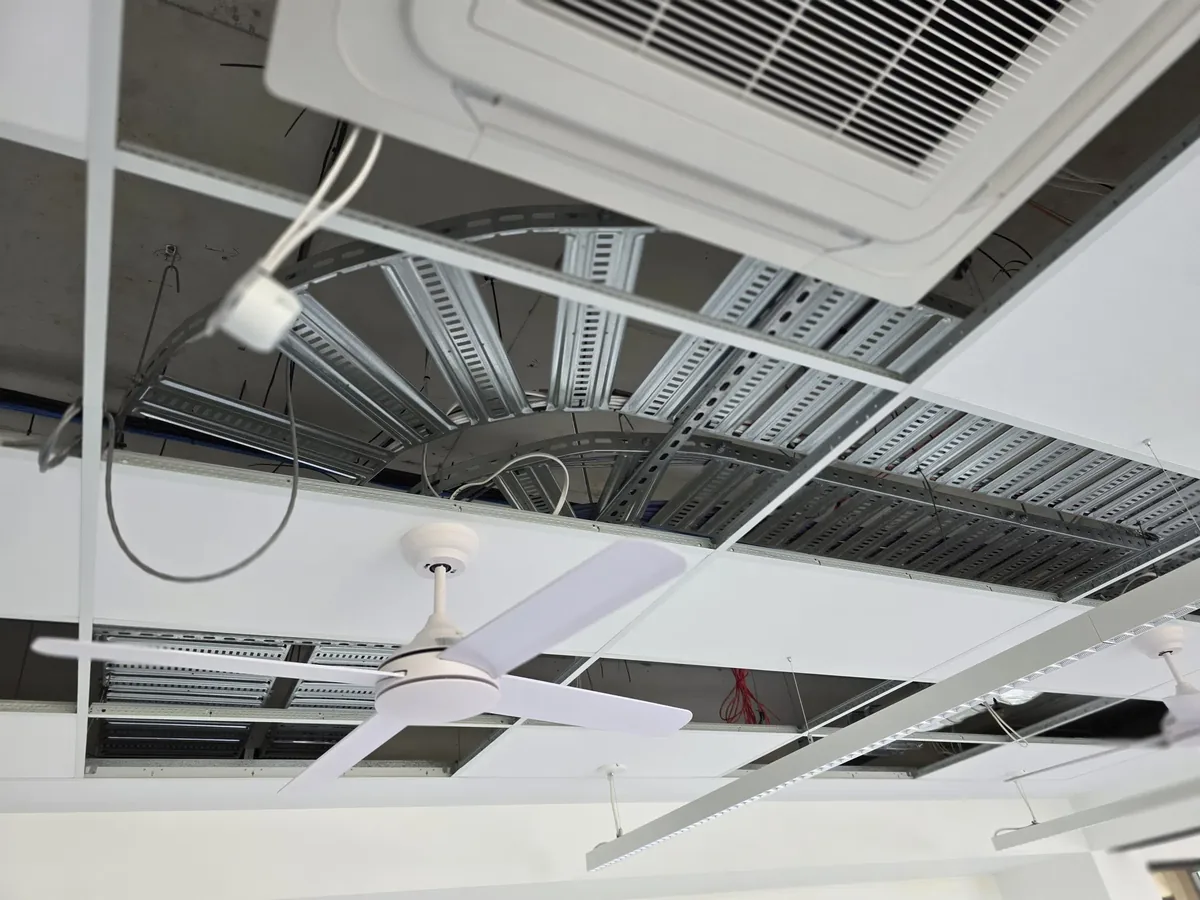
A simple, transparent process
- 01Get in touch
Call or request a quote online.
- 02Site check
Free phone consult or brief site visit.
- 03Fixed quote
Written quote — no surprises.
- 04Installed & tested
Delivered, tested, documented.
What this service is
Fibre optic cabling is used for long backhaul runs, inter-building links, high-bandwidth backbones and specialised installations. We install, terminate, splice and test fibre for residential, commercial and telecommunications infrastructure across South East Queensland.
Problems it solves
- A copper link is too long or too noisy for reliable performance
- Multiple buildings need to be joined onto one network backbone
- An existing fibre link has faulted and needs testing to locate the fault
- A patch panel or termination is damaged and needs re-terminating
What you need to know before you book
When fibre is the right answer instead of copper
Copper Ethernet is limited to roughly 100 metres per channel and it carries electrical current, which makes it a poor choice between separate buildings where earth potential differences and lightning-induced surges are real risks. Fibre carries light, so it is immune to electrical noise, safe between structures and comfortably spans hundreds of metres to kilometres depending on the type used.
Typical South East Queensland use cases are a link from the house to a detached studio, granny flat, shed or workshop; a backbone between buildings on an acreage or commercial site; a riser between floors in a multi-storey tenancy; and high-bandwidth links where the existing copper simply cannot keep up.
Single-mode, multi-mode and choosing connectors
Multi-mode fibre (OM3/OM4) is common for shorter in-building backbones and is generally cheaper to terminate. Single-mode (OS2) costs a little more per termination but supports far greater distances and much higher bandwidth ceilings, which makes it the usual recommendation for anything between buildings or anything intended to last a decade. LC connectors dominate modern equipment, though SC still appears on older hardware and some carrier terminations.
The transceivers on each end must match the fibre type and connector, so we confirm the equipment you plan to use before ordering materials. Getting this wrong is the single most common reason a DIY fibre link fails to come up.
- Between buildings or long runs — single-mode OS2 is normally recommended
- Short in-building backbones — multi-mode OM3/OM4 is often sufficient
- Underground routes — armoured or conduit-protected cable, never bare indoor cable
- Always terminate into an enclosure or patch panel, never a bare pigtail
Splicing, testing and proving the link works
Fusion splicing joins fibre cores with a precise, low-loss weld and is the standard approach for terminating pigtails and joining runs. After termination we test the link so you have evidence it performs, not just an assumption. Loss testing confirms the end-to-end budget; OTDR testing traces the length of the fibre and shows exactly where a splice, bend or break sits along it.
That test data is what makes a fibre link maintainable. When a fault appears years later — usually after landscaping, trenching or civil works — an OTDR trace pinpoints the damage in metres instead of digging up an entire route.
Need a fibre backbone, a building-to-building link or a fault located?
Call for a straight answer, or send the details and we'll come back with a written fixed quote.
Why customers trust CoreComms with this work
We install, splice, test and repair single-mode and multi-mode fibre for residential, commercial and telecommunications infrastructure clients across South East Queensland, including fault location on existing links damaged by excavation or storm activity.
- Fusion splicing used for terminations and joins
- Loss testing and OTDR testing available with documented results
- Correct cable selection for internal, external and underground environments
- Terminations housed in enclosures or patch panels, never left exposed
- Work performed or supervised by a registered cabler with the relevant endorsement
Where this service fits
Residential
- • Fibre between a house and a detached studio, granny flat or workshop
- • Backbone from a comms cabinet to a distant ceiling access point
- • Repairs on existing fibre lead-ins damaged by landscaping or renovation work
Business
- • Building-to-building backbones on commercial sites
- • Fibre backbones between floors on multi-storey premises
- • OTDR testing and certification of installed links
- • Fibre repairs after construction or civil damage
What CoreComms can install, relocate, test or repair
- Single-mode and multi-mode fibre installation
- Fusion splicing
- Fibre patch panel and enclosure installation
- OTDR testing, loss testing and documentation
- Fibre fault finding and repairs
Work performed or supervised by a registered cabler.
Preparing for a quote
What to prepare
- • Details of the cable type, length and connector requirements if known
- • Confirmation of route and access for pulling the fibre
- • For repairs: any prior test results, patch schedules or original as-built documents
Factors that affect the quote
- • Cable type (single-mode vs multi-mode), core count and connector style
- • Length of the run and whether joins or splices are needed
- • Access to conduits, cable trays or ceiling spaces along the route
- • Whether testing and certification documentation is required
Enquiry, inspection, installation
- Step 01Enquiry
Call us on 07 3130 0441 or send the quote form. Share the address, what you're trying to achieve and any photos of the current setup — this saves time on the site check.
- Step 02Assessment
For simple jobs we can quote from a phone consult. For anything with cable routes, wall types or trenching involved we prefer a brief on-site inspection so the quote is accurate.
- Step 03Written quote
You'll get a clear written quote covering scope, materials and any assumptions. We'll confirm availability and expected timing when you enquire.
- Step 04Installation and testing
Work is completed by a registered cabler, tested at the outlet and labelled where relevant. Cable routes are kept tidy and the work area cleaned up.
South East Queensland coverage
We work across South East Queensland — Brisbane, Gold Coast, Logan, Ipswich and Toowoomba, plus the surrounding suburbs. Travel is included in the written quote so there are no surprises.
Book this service in your area
Residential and small business telecommunications across greater Brisbane — from the CBD to the outer suburbs.
Reliable telecommunications from Coomera to Coolangatta.
Trusted local telecommunications across the City of Logan.
Practical service across Ipswich and the western corridor.
Cabling, networking and fault finding for homes and businesses across Toowoomba and the surrounding region.
Frequently asked questions
How far can fibre optic cable run?+
Multi-mode links typically serve hundreds of metres depending on grade and speed, while single-mode comfortably covers kilometres. For almost any property-scale link, distance is not the limiting factor — route access and protection are.
Can you run fibre to a shed, studio or granny flat?+
Yes, and it is one of the most common requests we get. Fibre avoids the earthing and surge issues that come with running copper between separate structures, and it will not limit speed at the far end.
My fibre link has gone down — can you find the fault?+
Yes. We test the link and, where needed, use OTDR tracing to locate the fault along the run so excavation or repair is targeted rather than exploratory.
Do I get test results for a new fibre installation?+
We can provide loss and OTDR test documentation on request, which is commonly required for commercial handovers and useful for future troubleshooting.
Learn more before you book
Background reading on how this work is planned, installed, tested and documented.
How single-mode and multimode fibre differ, how fibre links are installed and pathed, and how they are tested before handover.
Read the guideA look at how fibre strands are joined by fusion or mechanical splicing, when each method is used, and how the results are verified.
Read the guideAn overview of how telecommunications infrastructure is planned and built in commercial buildings, from the carrier lead-in through to tenant fit-out.
Read the guideHow fibre links are tested, common causes of fibre faults and what OTDR results actually tell you.
Read the answerYou might also need
Professional Cat6 and Cat6A structured cabling installations for homes and small businesses.
Learn moreDiagnose and repair internet, phone and network faults with minimal downtime.
Learn moreTrench and conduit preparation for telecommunications lead-ins and inter-building runs.
Learn moreCommon questions
Do you install single-mode or multi-mode fibre?+
Both. Single-mode is typical for longer runs and telecommunications backbones; multi-mode is used on shorter in-building links.
Can you find a fault on an existing fibre link?+
Yes. We use OTDR testing to locate breaks, high-loss splices and damaged terminations, then repair or re-terminate as required.
Do you provide test results after installation?+
Yes — loss and OTDR test results can be provided for commercial installs where certification documentation is required.
Can fibre be run between two buildings on the same property?+
Yes — building-to-building fibre backbones are one of the most common jobs we do, whether above ground, in existing conduit or in a new trench.
Ready to book fibre optic services?
Send us the details and we'll come back with a fixed quote.
Related services
Professional Cat6 and Cat6A structured cabling installations for homes and small businesses.
Reliable home networking solutions — internet relocations, routers, switches and complete home network installs.
Complete networking solutions for offices, retail, medical and commercial premises.
Diagnose and repair internet, phone and network faults with minimal downtime.